
Walk Back along the Stalls
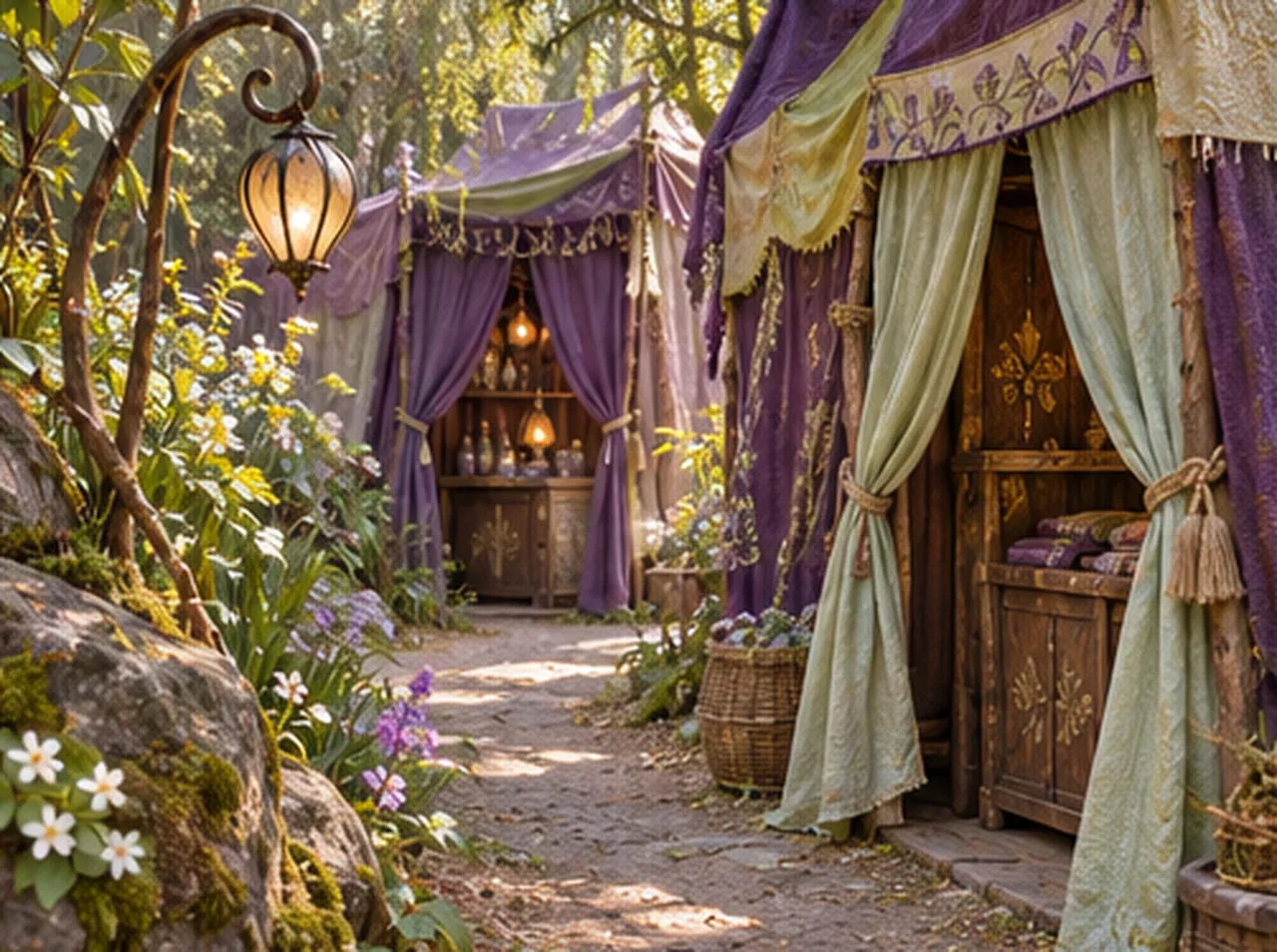
Two paths leave the stall with the remembered bell. One goes directly to the bright row of tents on the other side of the bazaar. The other passes a quieter opening where the visitor can see the first seller in profile. In an early walk, all of the folded awnings looked alike and it was easy to find the wrong counter on the way back. We gave the two approaches distinct things to see, so a buyer could compare what they had been offered without losing the opening where the other part of the price was waiting.
Choose two entrances that can be distinguished
The first seller has a short clipped cord beside the end of a darker rail. A little beyond it there is an open space where the cloth tent lets light slip under. The next seller faces a lower path with a repeated stripe along the edge of their awning. The visitor can identify those two locations from the far side. A folded offer placed near the clipped cord should remain in view until the buyer starts the turn behind the tents. Buy the Bell with a Memory uses that familiar position to make the chance to go away part of the offer.
Let a second stall answer another question
At the next counter the buyer can compare a moon that would need space in their pocket. It is a different object that still calls for thinking about a cost before leaving. Price of a Pocket Moon compares the space around the small light and the space occupied by a memory packet. The visitor can make a rough drawing of the pocket there without paying for the thing. That comparison might lead them back to the other seller with a more precise question about what their earlier offer actually covered.
Preserve an unsettled price across the walk
Give somebody a simple way to remember the packet fold they had not closed. It can be a little drawing that names the bell counter and shows which tie was loose. Put the same reflected awning light near the return when the buyer first reaches that place. A different seller might use a similar packet. The clipped cord and the earlier folded edge should stay related so a player can find the price they previously wanted to check. Tie the Memory with Two Knots uses that distinction to restore one term to a readable position beside the rest.
Keep a shorter return for quieter decisions
The full walk can pass two other displays. The narrow path gives a way to come back without inspecting everything between the counters. Let a visitor compare the larger view along the tents and the close view from the path. If the scene presents the same test from both directions, the size and position of the ties stay useful while the folded counter changes its shape in the view. A person should be able to ask one later question at the earlier counter without being required to take another long tour through the bazaar.
Return before the chime begins another exchange
At the end of the walk check where the visitor would stand to hear the previously offered price. Give them a clear stop before a next offer appears. If they can keep the original object, the remembered fold and the physical stall linked, both directions have helped them read a transaction. A later market event can give that place a new condition. It will be meaningful because the visitor has a way to find the earlier offer and compare it with the change. The market walk has turned a detour into useful time for a decision rather than a loose hallway between examples.